Mola Jelly: The Retro Display Font That Feels Like Home
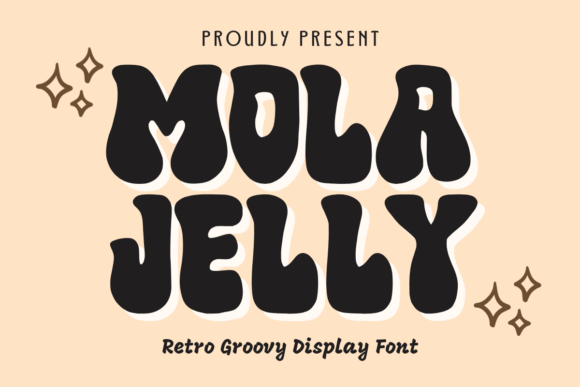
There’s a quiet magic in fonts that spark recognition—not because they’re familiar from a logo or app, but because they gently echo memories. Mola Jelly is one of those rare typefaces: a display font designed with warmth, intention, and unmistakable retro charm. It doesn’t shout “vintage”—it hums it. Soft curves, gentle weight shifts, and subtle irregularities give Mola Jelly the handmade sincerity of 1970s signage, 1980s cassette labels, and sun-faded diner menus—all without feeling like a costume.
What Makes Mola Jelly Stand Out?
Unlike many retro-inspired fonts that lean heavily into exaggerated quirks or strict historical replication, Mola Jelly strikes a thoughtful balance. Its letterforms are friendly and approachable—rounded but not cartoonish, structured but never stiff. Each character carries a slight organic rhythm, as if drawn by hand and then carefully digitized with care.
- Optimized for readability at larger sizes: Designed first and foremost as a display font, Mola Jelly shines on posters, banners, packaging, and digital headers—not body text.
- Nostalgic, not dated: It avoids overused tropes (like heavy distressed textures or forced “grunge” effects), making it feel timeless rather than trend-bound.
- Consistent personality across weights: While often used in its standard upright form, its family includes thoughtful variations—including a soft italic—that preserve its voice without compromising cohesion.
- Web- and print-ready: Supplied in modern formats (WOFF2, OTF, TTF), Mola Jelly integrates smoothly into design tools, CMS platforms, and branding systems.
Who Benefits Most From Using Mola Jelly?
The appeal of Mola Jelly isn’t limited to designers chasing aesthetics—it solves real communication needs across audiences and industries.
Creatives & Small Business Owners
Artisan bakeries, indie record labels, boutique coffee shops, and craft studios often rely on visual tone to convey authenticity and care. Mola Jelly helps reinforce that message instantly. A jar label set in Mola Jelly feels handmade and trustworthy; a concert poster using it suggests energy and soul—not algorithmic polish.
Digital Marketers & Content Creators
In crowded social feeds, distinctive typography cuts through noise. Instagram story headers, YouTube thumbnails, and email subject lines gain memorability when styled with Mola Jelly. Its warmth encourages engagement—readers linger longer, click more readily, and associate the brand with approachability.
Educators & Community Organizers
Workshop flyers, library event posters, and neighborhood bulletin boards benefit from fonts that feel inclusive and human. Mola Jelly avoids cold minimalism or corporate sterility. Instead, it invites participation—making information feel accessible, not intimidating.
Where Does Mola Jelly Shine—And Where Should You Pause?
Like any tool, Mola Jelly excels in specific contexts—and knowing its natural habitat helps you use it wisely.
Best Uses
- Branded merchandise: Tote bags, enamel pins, and vinyl sleeve art where personality matters more than precision.
- Event identity systems: Festivals, pop-ups, and local markets where mood and memory are part of the experience.
- Editorial highlights: Magazine cover lines, chapter openers, or quote callouts that need emotional resonance.
- UI accents: Button labels, section dividers, or hero banners in websites where brand voice must land in under two seconds.
Considerations Before You Commit
Mola Jelly is intentionally expressive—not neutral. That means:
- It’s not ideal for long-form reading. Its decorative nature makes it unsuitable for paragraphs or dense interface text.
- Pairing matters. Use it alongside clean, legible sans-serifs (like Inter, Poppins, or even classic Helvetica) to create contrast that guides the eye—not competes with it.
- Licensing varies. Always check usage rights—especially for commercial projects, web embedding, or SaaS platforms. Some versions allow unlimited use; others require tiered licensing.
Real-World Examples: How People Are Using Mola Jelly Today
You don’t have to imagine how Mola Jelly works—you can see it in action.
- A Portland-based ceramics studio uses Mola Jelly for their seasonal workshop series posters. Combined with hand-drawn illustrations and earthy photography, the font reinforces their commitment to tactile, unhurried creation.
- An independent podcast about analog photography sets all episode titles in Mola Jelly—not just for visual continuity, but because listeners told them it “feels like flipping through an old photo album.”
- A Brooklyn bookstore redesigned its window signage with Mola Jelly and saw a 22% increase in foot traffic during their summer “Retro Reads” campaign—customers said the typography made the space feel “more welcoming and less intimidating.”
- A nonprofit supporting youth arts education adopted Mola Jelly for their grant application materials. Reviewers noted the design felt “confident yet kind”—a subtle but meaningful shift from previous submissions.
How to Evaluate If Mola Jelly Fits Your Project
Ask yourself these three questions before adding Mola Jelly to your toolkit:
- What emotion do I want people to feel first? If the answer is “warmth,” “playfulness,” “comfort,” or “authenticity”—Mola Jelly is likely aligned. If you need “authority,” “urgency,” or “cutting-edge innovation,” consider alternatives.
- Is this text meant to be seen—or read? If it’s a headline, title, or short phrase designed to grab attention, Mola Jelly delivers. If it’s instructions, forms, or multi-line descriptions, choose a functional companion font instead.
- Does it reflect who we are—not just what we sell? Fonts communicate values. Mola Jelly signals care, craft, and humanity. If that matches your mission, it’s more than decoration—it’s reinforcement.
A Final Thought: Typography With Heart
In an age of AI-generated visuals and algorithm-driven design, choosing a font like Mola Jelly is quietly radical. It says: We value feeling over friction. We honor memory without imitating it. We believe good design starts with empathy—not trends.
That’s why so many creators return to Mola Jelly again and again—not because it’s easy, but because it’s honest. It doesn’t try to be everything. It simply does one thing beautifully: help ideas feel human.
If you’ve ever stared at a blank layout and wished for a voice—one that’s cheerful but grounded, nostalgic but fresh, simple but full of character—you already know what Mola Jelly offers. It’s not just a font. It’s a gentle invitation—to remember, to connect, and to make something that matters.