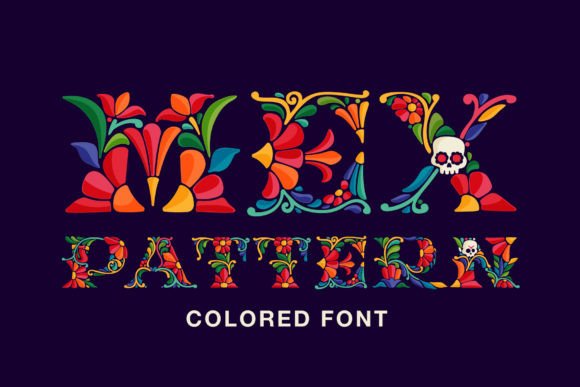
Mexican Pattern: A Vibrant Fusion of Heritage and Design
At first glance, Mexican Pattern stops you in your tracks—not just for its boldness, but for its story. It’s more than a visual motif; it’s a living archive of cultural resilience, color bravery, and symbolic depth. Born from centuries of dialogue between Indigenous Mesoamerican civilizations and Spanish colonial influence, the Mexican Pattern aesthetic carries the heartbeat of Aztec geometry, Mayan symbolism, and Baroque ornamentation—all reimagined through a distinctly Mexican lens of joy, reverence, and candor about life’s dualities.
What Makes Mexican Pattern Uniquely Expressive?
The power of Mexican Pattern lies in its intentional contrasts and layered meanings. You’ll rarely find muted tones or minimal lines here. Instead, expect:
- Vibrant, saturated color pairings—think cobalt blue against burnt terracotta, lime green beside tangerine, or deep magenta next to sun-bleached yellow;
- Ornate, rhythmic repetition, often rooted in pre-Hispanic textile weaving, pottery motifs, and mural traditions;
- Symbolic iconography, including stylized skulls (calaveras), marigolds (cempasúchil), serpents, eagles, and stepped frets—each carrying spiritual, seasonal, or ancestral significance;
- High-contrast composition, where line weight, scale, and hue shift deliberately to guide the eye and evoke energy.
This isn’t decoration for decoration’s sake. Every element reflects how Mexican culture embraces complexity—celebrating life with the same intensity it honors death, honoring ancestors while boldly shaping the future.
Where Does Mexican Pattern Shine in Real-World Use?
Mexican Pattern thrives where authenticity, warmth, and cultural resonance matter most. It’s not limited to festive contexts—it’s adaptable, meaningful, and surprisingly versatile across industries and formats.
Creative & Brand Identity Projects
Designers and small business owners use Mexican Pattern to build instantly recognizable identities—especially for food brands (taco trucks, mole sauce labels), artisanal goods (handwoven textiles, ceramic tableware), and cultural festivals. Its visual richness communicates heritage without needing translation, making it ideal for bilingual or globally minded audiences.
Digital & Print Media
From Instagram story templates to bilingual event posters, Mexican Pattern adds warmth and intentionality. When paired with legible body fonts (like clean sans-serifs or warm serif companions), it creates hierarchy and emotional pull—drawing attention to headlines, calls-to-action, or featured products.
Interior & Product Design
In home décor, hospitality, and retail environments, Mexican Pattern transforms spaces. Think tile backsplashes inspired by Talavera ceramics, wallpaper murals echoing Oaxacan alebrijes, or upholstery fabrics that reinterpret Otomi embroidery. These applications don’t just “look nice”—they invite conversation, storytelling, and connection.
Who Benefits Most From Using Mexican Pattern?
The answer isn’t just “designers.” It’s anyone who values meaning behind the medium:
- Chefs and restaurateurs seeking to express culinary roots and regional pride;
- Artisans and craft collectives preserving and modernizing traditional techniques;
- Educators and cultural nonprofits creating accessible, engaging materials about Mexican history and values;
- Marketing teams targeting Latinx audiences with respect—not stereotype—and building inclusive brand narratives;
- Web developers and UX writers integrating culturally resonant visuals into landing pages, e-commerce banners, or app onboarding flows.
Crucially, Mexican Pattern works best when used with awareness—not as a decorative trope, but as an invitation to deeper understanding.
Strengths to Lean Into
Its greatest strengths are also its most human ones:
- Emotional immediacy: Bright colors and bold forms trigger positive associations—energy, celebration, community;
- Cultural specificity with universal appeal: While deeply rooted, its joy and craftsmanship resonate across borders;
- Flexibility in scale and medium: Works equally well as a tiny favicon motif or a full-wall mural;
- Narrative capacity: Each pattern can tell a story—of harvest, migration, resistance, or remembrance.
Considerations Before You Apply It
Like any powerful design language, Mexican Pattern asks for thoughtful application:
First, context matters. A somber healthcare brochure or a corporate finance report may clash with its exuberance—unless intentionally subverted for creative contrast or cultural alignment. Ask: Does this project benefit from warmth, tradition, or celebration? If yes, proceed with confidence.
Second, authenticity requires care. Avoid reducing sacred symbols—like calaveras or Day of the Dead altars—to generic “fun” graphics. When in doubt, consult Mexican designers, historians, or community voices. Respectful integration builds trust; superficial borrowing risks misrepresentation.
Third, legibility and balance are non-negotiable. Ornament shouldn’t obscure message. Use Mexican Pattern for backgrounds, borders, icons, or hero elements—but ensure text remains highly readable and focal points remain clear.
Real Examples That Work Well
Consider these grounded applications:
- A Oaxacan coffee roaster using a repeating pattern of agave leaves and hummingbirds on their bag design—tying botany, region, and pollination symbolism together;
- A Los Angeles-based bilingual preschool incorporating simplified alebrije-inspired animal motifs into classroom signage—making learning joyful and culturally affirming;
- A digital wellness platform launching a “Mexican Folk Healing” series, where Mexican Pattern frames video thumbnails and quote cards—grounding holistic practices in tangible, time-honored wisdom;
- A community mural project in Chicago’s Pilsen neighborhood, co-designed with local teens, blending traditional floral patterns with contemporary portraiture and neighborhood landmarks.
How to Evaluate If Mexican Pattern Fits Your Project
Ask yourself three questions:
- Does my audience connect with—or stand to learn from—Mexican cultural values like communal joy, ancestral respect, and cyclical views of life and death?
- Does my message gain clarity or emotional resonance when expressed through vivid color, rhythm, and symbolism?
- Do I have the capacity—through research, collaboration, or consultation—to honor the tradition behind the pattern, not just its appearance?
If two or more answers are “yes,” Mexican Pattern is likely a strong, meaningful fit.
A Final Thought: Pattern as Continuity
Mexican Pattern isn’t frozen in time. It evolves—with street artists in Guadalajara reworking calavera motifs into digital NFTs, with weavers in Chiapas adapting ancient loom techniques for sustainable fashion lines, with educators using animated patterns to teach math concepts rooted in Indigenous geometry.
When you choose Mexican Pattern, you’re not selecting a trend. You’re aligning with continuity—with generations who turned pigment, thread, and stone into language. And in doing so, you help keep that language alive, relevant, and radiant.